Solar Cities saves money and energy
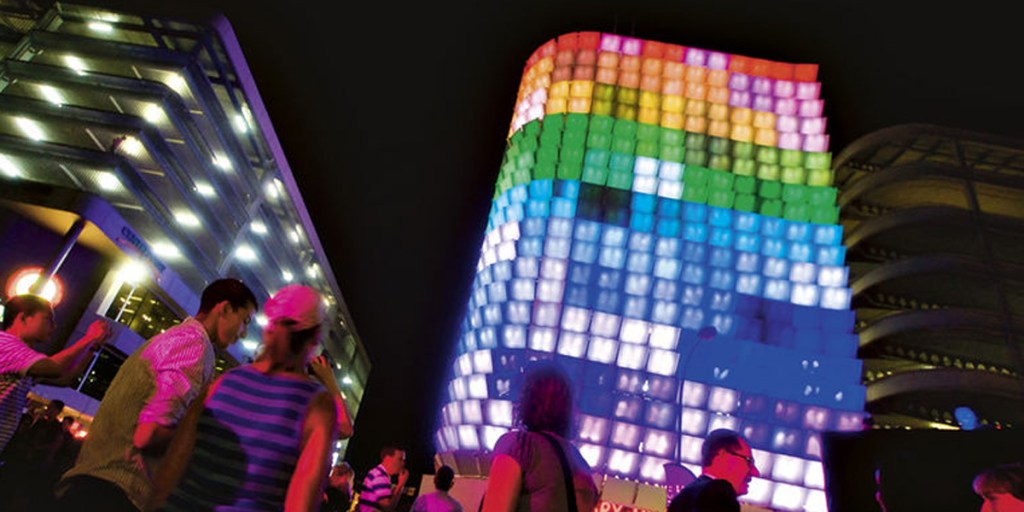
After five years, $65 million and monitoring of thousands of volunteer households, Adelaide’s Solar City project has wrapped up, with the final report claiming millions of dollars in energy savings and a reduction of more than 68,000 tonnes of greenhouse gases.
In its final report the program has claimed wide-ranging success in encouraging households and businesses to use energy more efficiently.
“The program has created new partnerships to save energy, increase uptake of leading edge solar technologies, reward energy efficiency and solar power generation, and showcase the economic and environmental benefits of wiser energy choices,” program manager Dario De Bortoli said.
The Solar Cities Program started back in the days of the Howard Government which committed $94 million to deliver Solar City Projects in seven key locations around Australia.
Adelaide was chosen as a solar city site due to the high proportion of sunny days, peaky demand profile and relatively high electricity costs.
The program began in October 2007 and concluded at the end of June this year.
A $15 million grant from the Federal funds was topped up by “in-kind” contributions from Adelaide Solar City Consortium partners, Origin Energy, ANZ Bank, Big Switch Projects, the now-defunct BP Solar and Delfin Lend Lease.
You might like

The partnership was extended to include local government with the City of Salisbury, Adelaide City Council and the Cities of Tea Tree Gully and Playford.
The five year program included a market trial of commercial and residential solar photovoltaic (PV) systems, cost reflective pricing, smart meter technology, energy efficiency products, low-income energy assistance programs and community engagement initiatives.
The more high profile projects included solar panel installations on Adelaide Central Bus Station, Rundle Lantern, Adelaide Central Market and Adelaide Railway Station.
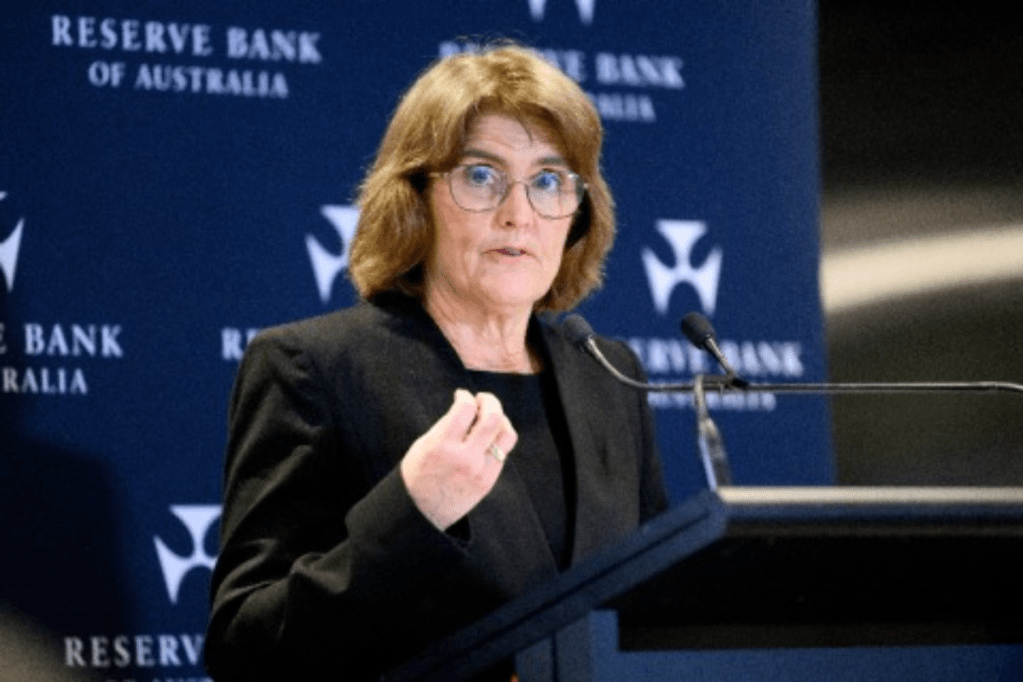
De Bortoli’s final report highlights the success of the Rundle Lantern project as an example of how solar technologies can be incorporated into public art to limit the environmental impact of the site.
“The Lantern is an award winning artistic light installation in the centre of Adelaide which was designed to enliven one of Adelaide’s busiest intersections.
“In total, 297 panels provide the power to illuminate a LED (Light Emitting Diode) display which wraps around the Rundle Street U-Park parking facility, creating a moving display of colour and imagery standing nine stories high,” the report says.
“A 50 kilowatt solar PV system was installed by BP Solar on the roof of the Rundle Street U-Park which generates about 140 per cent of the power needed for the Lantern’s light and colour show.”
On a broader scale, thousands of energy efficiency products trialled in suburban homes had varied success.
Stay informed, daily
Some consumers made substantial changes to their energy use – others were not fussed.
These included:
- Critical Peak Pricing; 1685 households signed up for energy plans that charged higher rates during peak periods. Households reduced their electricity use by an average of 14 per cent during the peak period.
- Time of Use energy plans: participants on average shifted seven per cent of their consumption from peak to off-peak periods.
- Trials of smart meters in households to monitor energy use via in-home displays and on line access. The report found that smart metering was an “additional complexity” and substantial incentives had to be offered to convince householders to sign up to the program.
Launched in mid-2010 the smart meter program was re-designed in 2011 to provide a greater incentive for households to participate in the trial. The offer included an extra incentive of a $200 Coles Myer gift card.
In February 2012, a subsidy of $500 was increased to $750.
“However, the higher discount was not enough to increase take-up rates, with a small number of households purchasing the package,” the report found.
The Solar City Consortium also organised 879 energy efficiency audits conducted, 24 Business Energy Efficiency programs, 22,254 energy efficiency packs distributed throughout the trial area, 492 residential and Housing SA solar PV systems, and installation of 101 ceiling insulation packages.
The final report said energy efficiency packs alone saved “around $8.05 million on their energy bills”.
“Over the life of the program, an estimated 68,600 tonnes of greenhouse gas emissions have been avoided through the distribution of energy efficiency packs and the adoption of GreenPower accredited products alone. Combined, these greenhouse gas emission offsets are equivalent to taking more than 17,000 cars off the road.
“The Business Energy Efficiency Program has provided participants with an estimated saving of $961,000 in financial benefits and a greenhouse gas emission offset of 5,980 tonnes per annum.”
Whether the improved use of energy by consumers can be maintained without incentives and close support remains to be seen.
Want to see more stories from InDaily SA in your Google search results?
- Click here to set InDaily SA as a preferred source.
- Tick the box next to "InDaily SA". That's it.