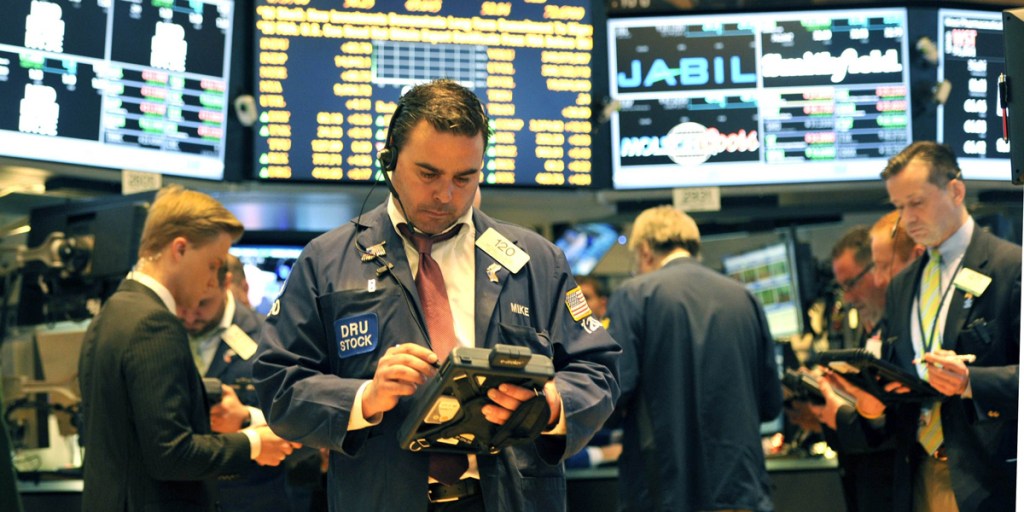
US stocks spent the day in positive territory on generally strong manufacturing data, although leading indices closed well below their intraday highs.
The volatile day ended with the Australian dollar firming on further peculation that US stimulus measures would not be wound back.
The Dow Jones Industrial Average on Monday gained 65.36 (0.44 per cent) at 14,974.96. The Dow rose as high as 15,083 earlier in the session.
The broad-based S&P 500 added 8.68 (0.54 per cent) to 1,614.96, while the tech-rich Nasdaq Composite Index jumped 31.24 (0.92 per cent) to 3,434.49.
Brent Schutte, a market strategist at BMO Private Bank, said the monthly Institute for Supply Management reading of US manufacturing activity was “pretty good”.
You might like

The ISM purchasing managers index rose to 50.9 in June from a contraction reading of 49.0 in May. At the same time, the ISM showed manufacturing employment contracted for the first time since September 2009.
“I don’t know if bad news is good news or good news is good news,” Schutte said. Markets “seem to be in this tug-of-war period”.
The US data had market analysts confused for most of the day.
Early thios morning the Aussie dollar was trading at 92.39 US cents, up from 91.99 cents on Monday.
Stay informed, daily
At first glance, the Institute of Supply Management (ISM) reading for June had looked positive, with the American manufacturing activity index reading rising above the 50 level, signifying an expansion.
But BK Asset Management managing director Kathy Lien said the US currency took a hit as a closer inspection of the data showed manufacturing employment contracting for the first time since September 2009.
“The US dollar has had such a strong rally that, at this stage, you need unambiguously positive US data to push the dollar even higher and the fact we did not get that … curtailed the rally in the greenback,” she said from New York.
Lien said the weak employment reading made traders question whether the US economy could handle a withdrawal of the US Federal Reserve’s mass bond-buying program, known as quantitative easing, which would reduce the supply of greenbacks.
“If the unemployment rate doesn’t fall, and it remains at 7.6 per cent, or worse it increases, then yes, there is a good possibility it could be delayed,” she said.
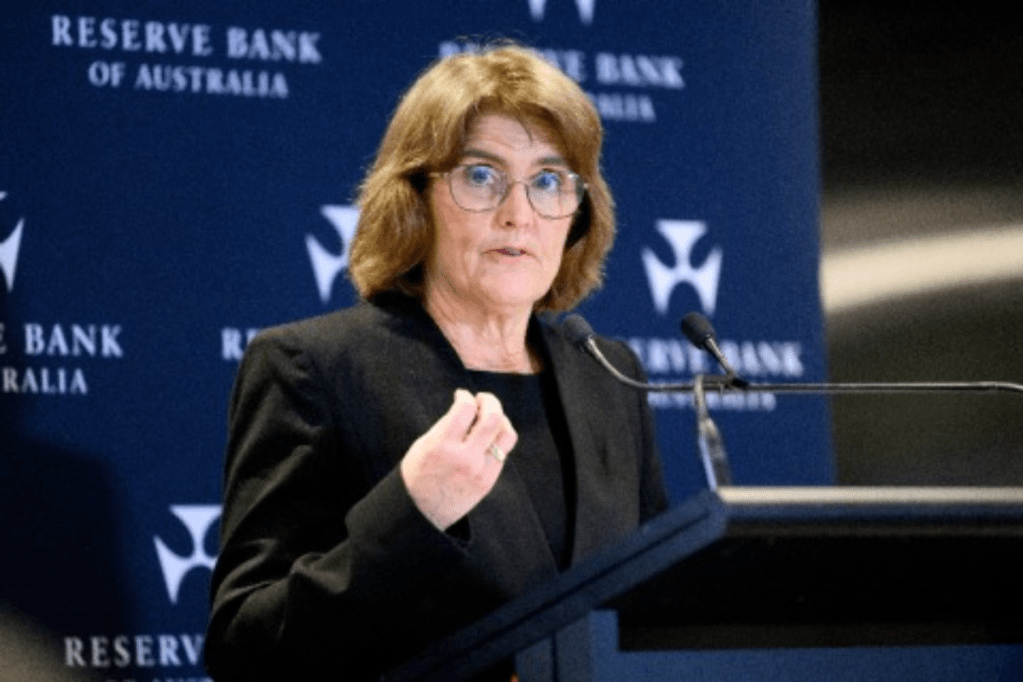
The Australian dollar is also making gains as traders expect the Reserve Bank to leave interest rates on hold at 2.75 per cent.
But, Lien said, it appeared the market was not expecting an August rate cut either, following a slightly less dire than expected Chinese manufacturing reading for June.
“If they were, they would be selling the Aussie,” she said.
Want to see more stories from InDaily SA in your Google search results?
- Click here to set InDaily SA as a preferred source.
- Tick the box next to "InDaily SA". That's it.