The Australian dollar has plummeted to below 93 US cents after the US Federal Reserve announced its stimulus program could end in mid-2014.
Early this morning the Aussie was trading at 92.94 US cents, compared with 94.91 cents on Wednesday.
The Australian dollar sank to 92.63 US cents, falling below 93 US cents for the first time since September 2010, following Fed chairman Ben Bernanke’s comments on the future of the central bank’s $US85 billion-a-month bond-buying program.
While the Fed expressed concern about the high American unemployment rate, it also forecast growth being firm enough to justify a dilution of its quantitative easing (QE) program.
The Australian dollar plummeted after Bernanke said the Fed could begin winding back its QE program some time later this year and bring the operation to a close by mid-year 2014.
You might like

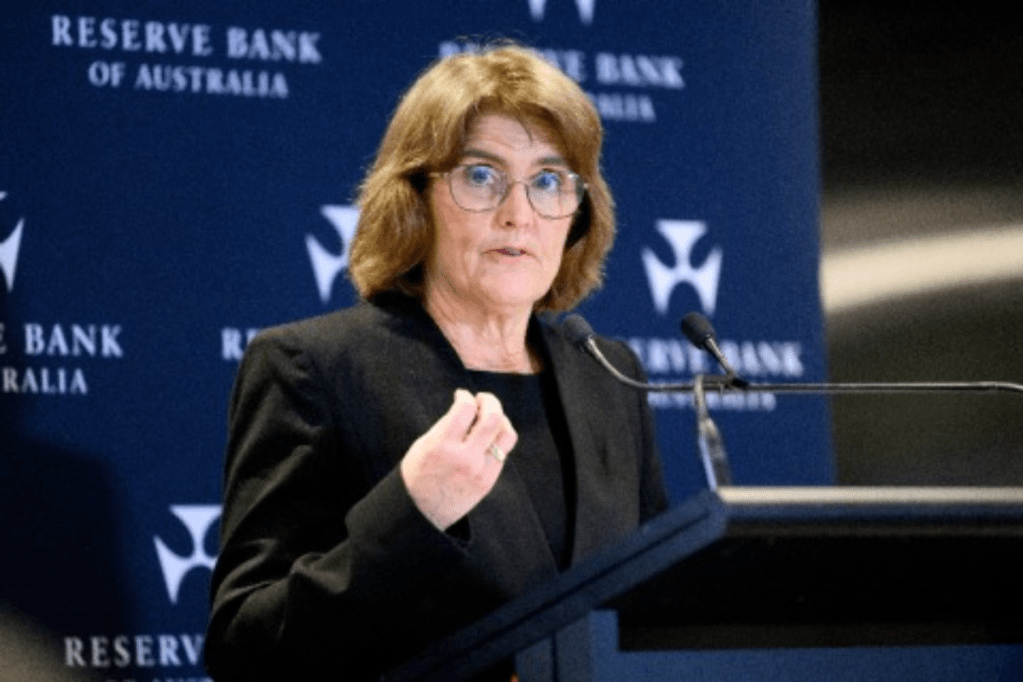
BK Asset Management managing director Kathy Lien said the Australian dollar was sold off more than other currencies, as traders contrasted the US Fed’s position with the Reserve Bank of Australia’s signal this week that it could cut rates further.
“The Aussie’s been hit the hardest,” she said from New York.
“There’s been a lot of people short on the Australian dollar and they were, basically, adding to their short positions.”
Lien said foreign investors who had bought the Aussie now had an excuse to invest in the greenback, as a scaling down of QE reduced the supply of US dollars and increased its market value.
Stay informed, daily
“Less quantitative easing means the Federal Reserve is pumping less money into the economy and no longer aggressively devaluing the (US) dollar.” The Federal Open Market Committee said the economy continues to grow at a moderate pace and that downside risks had eased, but it added that cuts to government spending were “restraining economic growth.”
The Fed eased its growth forecast for the US economy this year slightly but said unemployment would fall more quickly than it predicted in March, to as low as 7.2 per cent by the end of the year.
The economy was expected to grow at an annual rate of 2.3-2.6 per cent, slightly below the 2.8 per cent top-end growth previously forecast.
The Fed projected inflation would come in between 0.8-1.2 per cent in 2013, instead of 1.3-1.7 per cent seen in March.
While overall inflation, as measured by the personal consumption expenditures price index, was sharply revised lower, so-called core inflation, excluding food and energy prices, also was seen abating.
The latest forecasts suggest the economy remains too weak, four years after exiting recession, for the Fed to begin tightening its ultra-loose monetary policy.
The Fed wants to see the jobless rate at 6.5 per cent and inflation around 2.0 per cent before it begins to tighten monetary policy, currently centred on its ultra-low 0-0.25 per cent benchmark interest rate.
Want to see more stories from InDaily SA in your Google search results?
- Click here to set InDaily SA as a preferred source.
- Tick the box next to "InDaily SA". That's it.