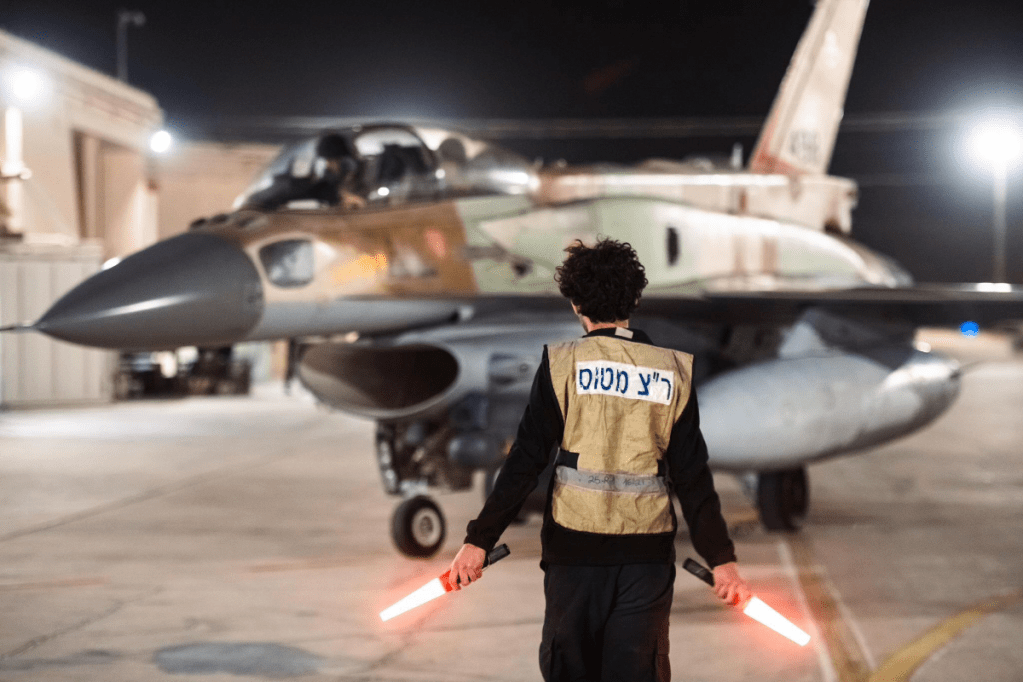
Act now, don’t wait for us – that’s the message from the researchers whose work the State Government is waiting on before deciding whether to extend cancer compo to CFS firefighters.
Minister for Industrial Relations John Rau yesterday introduced legislation into Parliament to make it easier for MFS firefighters to get workers’ compensation for cancer – but the protection wasn’t extended to CFS volunteers because the Government says the evidence isn’t yet in on whether they carry the same risks.
The Government says it’s waiting on the results of the Australian Firefighters Health Study being conducted by Monash University in Victoria to determine whether CFS volunteers are at a higher risk of cancer.
But a letter from the study’s authors to Greens MLC Tammy Franks says there’s no reason to wait.
“We are concerned that decisions about presumptive legislation are being delayed pending our study’s findings,” write professors Deborah Glass and Malcolm Sim, the researchers conducting the study.
You might like


“We believe that there is already good evidence from a very large number of previous human studies that work as a firefighter is associated with an increased risk of several types [of] cancer.
“The main focus of our study is to provide information for more effective prevention of cancer and other adverse health outcomes in firefighters.
“We believe that there is already good evidence from a very large number of previous human studies that work as a firefighter is associated with an increased risk of several types of cancer.
“Given the large number of studies already undertaken in firefighters and the positive associations for increase in several types of cancer, the results of one or more future studies, including our study, are very unlikely to change the overall conclusions of increased cancer risk among firefighters, as the results of all studies need to be taken into account.”
Stay informed, daily
Firefighters develop certain cancers at significantly higher rates than the rest of the population, thought to be because of their exposure to carcinogens released from burning materials.
Currently firefighters have to prove to WorkCover their cancer was caused by their work to get workers’ compensation. Under the new legislation WorkCover will be directed to automatically assume certain cancers suffered by firefighters are a result of their work.
In response to questions from InDaily, Rau said the researchers’ letter indicated more work needed to be done to find out if CFS volunteers ran the same cancer risk as full-time MFS firefighters.
“I dispute that the letter points to ‘conclusive evidence that CFS volunteers are at a greater risk of cancer’, rather, it points to an absence of data relating to this matter – which the study hopes to address,” Rau told InDaily.
In their letter to Franks the researchers admit there is little volunteer-specific data, but say volunteers can expect to face similar exposure as professional firefighters to cancer-causing carcinogens in the course of their work.
“Whilst it is true that there is little data on the cancer risks specifically for volunteer firefighters, a gap which our study hopes to address.
“It should be noted that in the course of firefighting, volunteer firefighters might be expected to have exposures similar to those of career firefighters.
“Our strong view is that decisions about compensation processes should be made on the basis of the available scientific evidence at the time.
“There will always be one more study on the horizon, and waiting for more research findings, especially in this situation where the results of many cancer studies in firefighters are already available, will lead to unacceptable delays, possibly extending into years.
“The results of future studies can always be used to fine tune any legislation put in place now.”
Want to see more stories from InDaily SA in your Google search results?
- Click here to set InDaily SA as a preferred source.
- Tick the box next to "InDaily SA". That's it.