Tiny new baby arrives at Adelaide Zoo
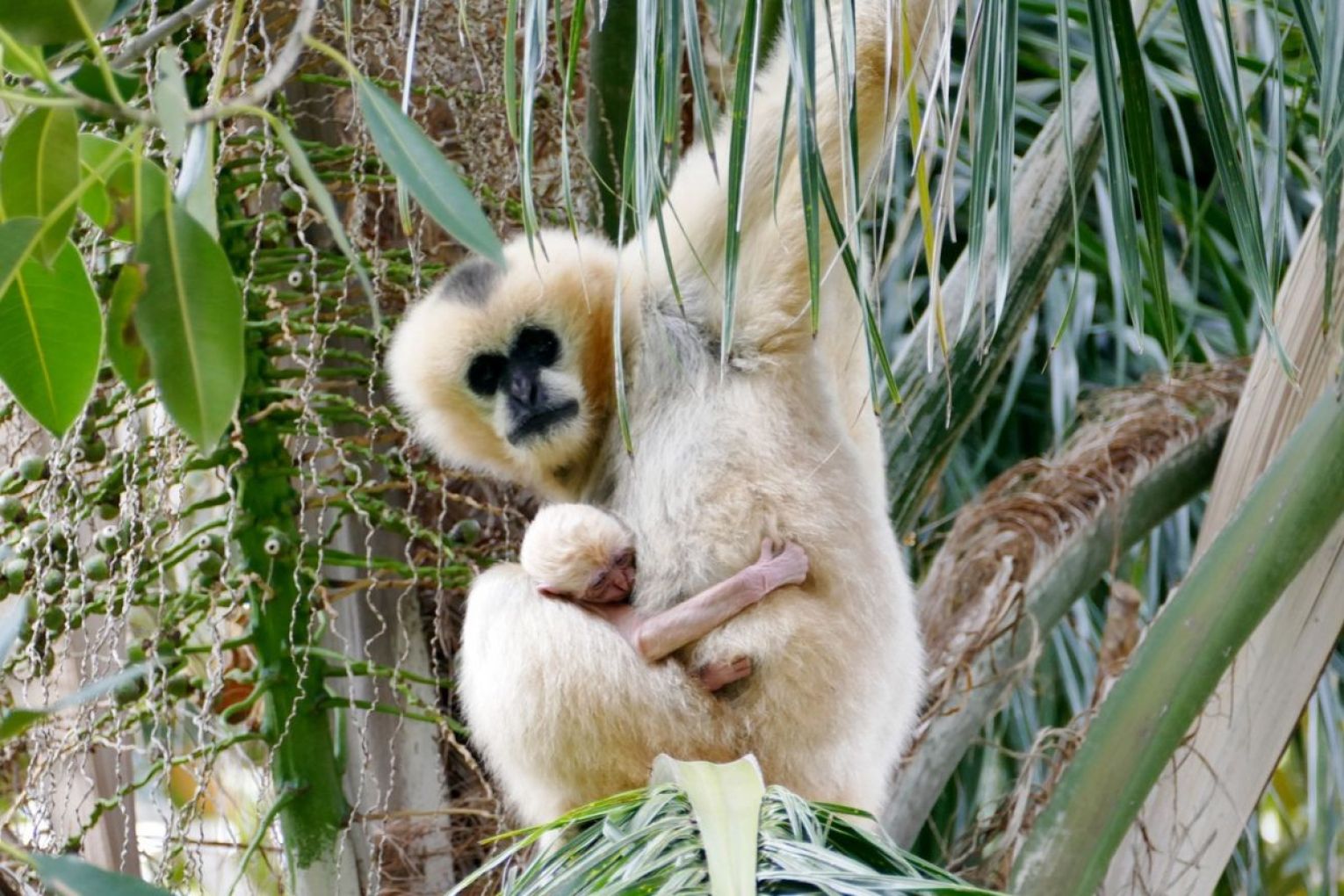
A baby Gibbon is the first of the critically-endangered species to be born at Adelaide Zoo in a decade. See the video of its first hours in its habitat.
Adelaide Zoo’s primates team supervisor James Bibby says the birth of a tiny, critically endangered White-cheeked Gibbon on Tuesday afternoon is a rare phenomenon.
“This is the only northern white-cheeked gibbon born this year in Australasia, this species is critically endangered, and their numbers are carefully managed by the Zoos and Aquarium Association so it’s fantastic that we were recommended to allow our pair to breed once again,” Bibby said.
The new addition joined its mother 27-year-old Viet and 30-year-old Dad Remus back in their zoo habitat this morning.

“This is the fifth baby that Viet has had here at Adelaide Zoo, so she’s a very experienced and attentive mother,” Bibby said, adding that the newborn’s gender has not yet been determined.
“Gibbons live their life in the tree canopy, so whilst we had the pair in their warm house in the very early stages, they were keen to get back out to their island habitat.
“We’re giving the family plenty of time and space to bond and they will have the option to go back into their night quarters if they need. They will also spend overnight inside while the baby is still so young.”
Subscribe for updates
White-cheeked Gibbons are born golden in colour before gradually turning black and they use their arms to swing from tree to tree.
A female will turn gold again once she reaches maturity around five years of age, while a male will remain black, with white cheeks and a black crest on his head.
Bibby said that Viet and Remus are a bonded pair and are often seen affectionately grooming one another among the treetops or singing a synchronised morning duet of whoops and hoots.
White-cheeked Gibbons live in the subtropical and tropical rainforests of Laos, Vietnam and Southern China.
Want to see more stories from InDaily SA in your Google search results?
- Click here to set InDaily SA as a preferred source.
- Tick the box next to "InDaily SA". That's it.