Your face has changed. Now what?
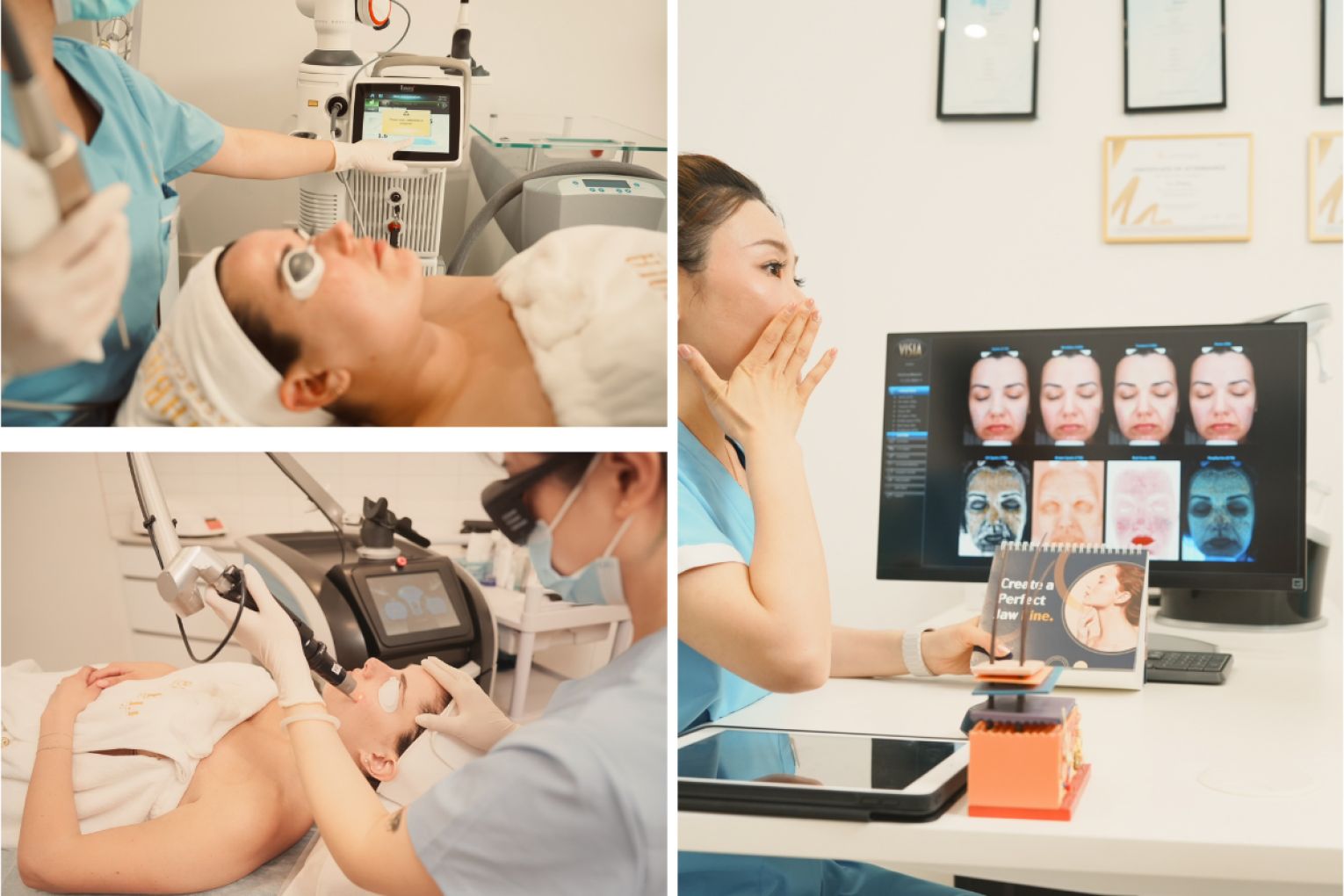
You might not be looking for a dramatic makeover but if you’ve noticed changes in firmness, facial definition or pigmentation, understanding your options is a good place to start.
There’s a moment in your 30s when you catch yourself in a particularly unforgiving bathroom mirror and think: Hang on. When did that happen?
Maybe your jawline isn’t quite as sharp. Your skin doesn’t have the same bounce it once did. Or a patch of pigmentation has appeared seemingly overnight – despite your very best efforts to pretend you don’t spend half your life outdoors.
Welcome to the slightly confusing world of skin ageing.
The good news? You don’t necessarily need to do anything about it. But if you’re curious about what’s changing – and what your options are – there’s now a dizzying amount of technology designed to help.
The less good news? Trying to work out what any of it actually does can feel like learning a new language.
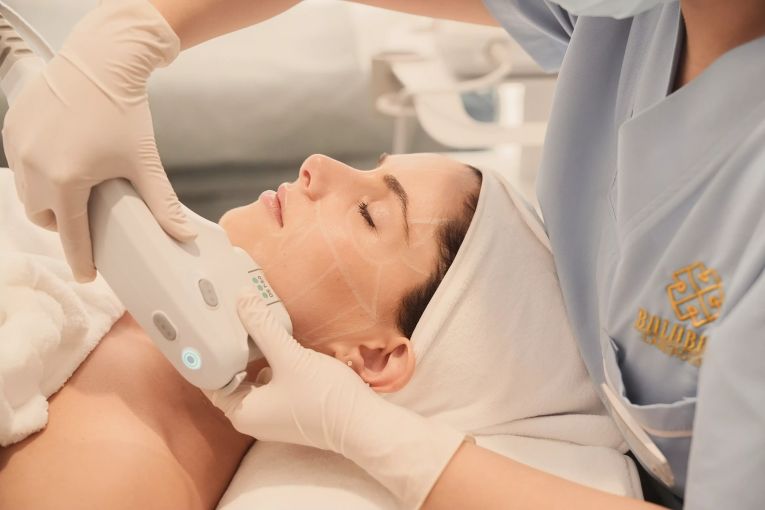
Thermage FLX. Ultherapy Prime. Ultraformer MPT. EMFACE. PicoSure. Fotona Angel Skin Brightening.
And no, they’re not the names of the latest restaurants on Peel Street.
They’re some of the technologies being used in non-invasive skin treatments, each designed to address different concerns. Which is why, rather than asking “What’s the best treatment?”, the more useful question might be: “What is actually going on with my skin?”
Your face isn’t just skin
You might like

Changes in facial definition can happen at several levels: within the skin, in the deeper supporting tissue known as the SMAS, and in the facial muscles. Understanding which layers are involved helps explain why different treatments do different jobs.
At BalaBala Laser Clinic, this forms the basis of a personalised, multi-layer approach to facial ageing.
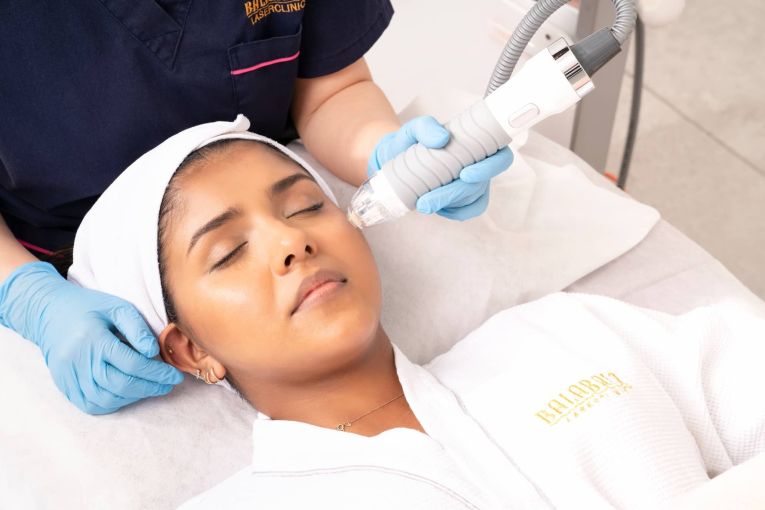
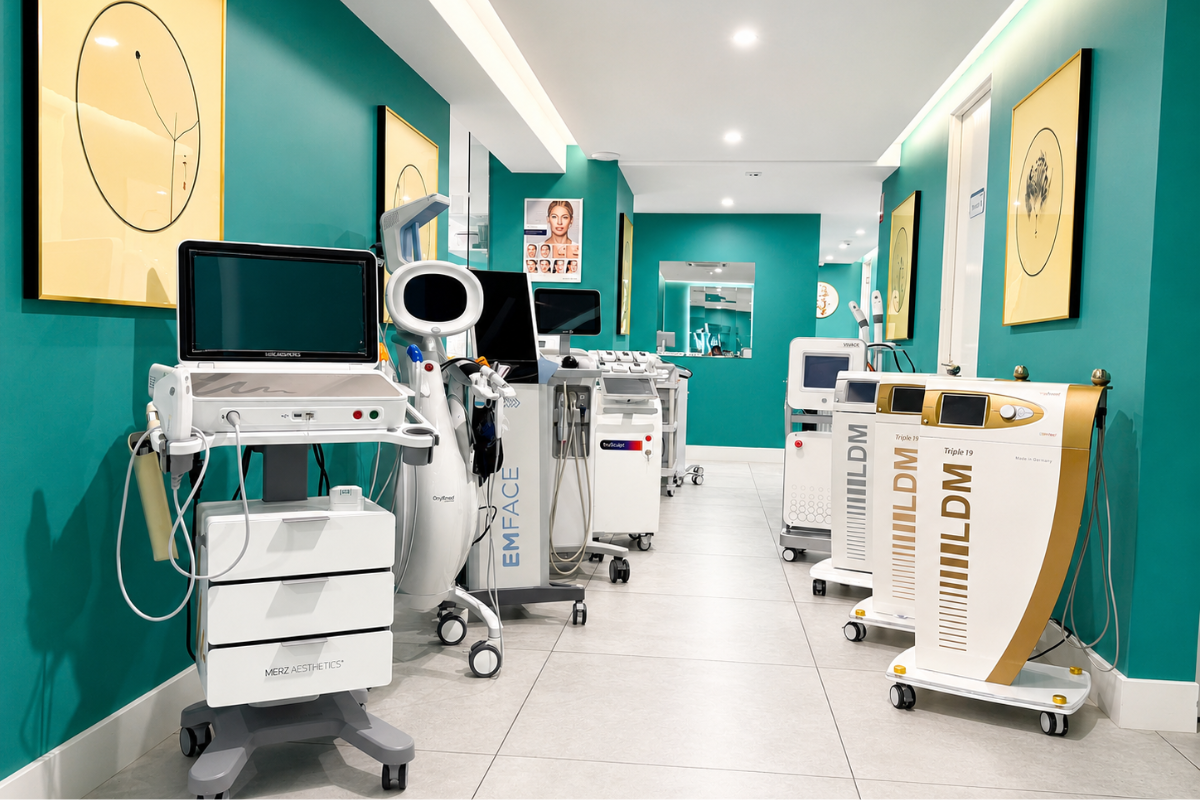
Ultherapy Prime uses microfocused ultrasound with real-time imaging to treat selected depths, including the SMAS layer beneath the skin. The imaging helps practitioners identify the tissue being treated, allowing treatment to be tailored to the individual’s anatomy and lifting needs.
EMFACE brings facial muscles into the picture. It combines facial muscle stimulation with synchronised radiofrequency, addressing muscle tone alongside collagen in the skin. This makes it a different approach to concerns involving both facial support and skin quality.
Ultraformer MPT uses focused ultrasound at different depths, including the SMAS layer. Its range of cartridges and delivery modes allows practitioners to tailor treatment to areas of laxity and concerns about facial contour and definition.
Thermage FLX uses radiofrequency to support collagen remodelling and improve skin firmness, with a focus on the dermis.
For example, a consultation may explore Ultherapy Prime or Ultraformer MPT for concerns involving deeper tissue support, and EMFACE where facial muscle tone is also a consideration. The choice depends on the person’s anatomy, skin condition and priorities.
A multi-layer approach doesn’t mean everyone needs multiple treatments. A plan can begin with one concern, with any additional treatment considered only where appropriate.
The pigmentation plot twist
Then there’s pigmentation – the skin concern that loves to make things more complicated than they first appear.
Because not all brown spots are created equal.
A sun spot and melasma might look fairly similar in the mirror, but they can have different causes, behaviour and treatment requirements.
This is where assessment becomes particularly useful.
BalaBala uses VISIA skin analysis alongside consultation and treatment history to examine and document skin features. It provides an imaging baseline to support the conversation and help review progress, while the practitioner’s assessment remains central to deciding what treatment is appropriate.
The clinic offers PicoSure and Fotona Angel Skin Brightening, with treatment selected according to the type of pigmentation, the individual’s skin characteristics and the findings of their consultation.
In simple terms, a multi-wavelength approach to pigmentation means having more than one tool in the toolbox.
Because sometimes the smartest treatment isn’t the flashiest one. It’s the one that makes sense for your particular patch of pigmentation, your skin and your goals.
So … where do you start?
This might be the most reassuring thing about the current skin-treatment landscape: you don’t need to walk into a clinic already knowing what you want.
In fact, that’s arguably the whole point of a consultation.
You can arrive with a vague “my skin just doesn’t look like it used to” and work backwards from there.
Maybe firmness is your priority. Maybe it’s pigmentation. Maybe you’ve noticed a change in facial definition. Or perhaps you simply want someone to explain what all those treatment names you’ve been seeing on Instagram actually mean.
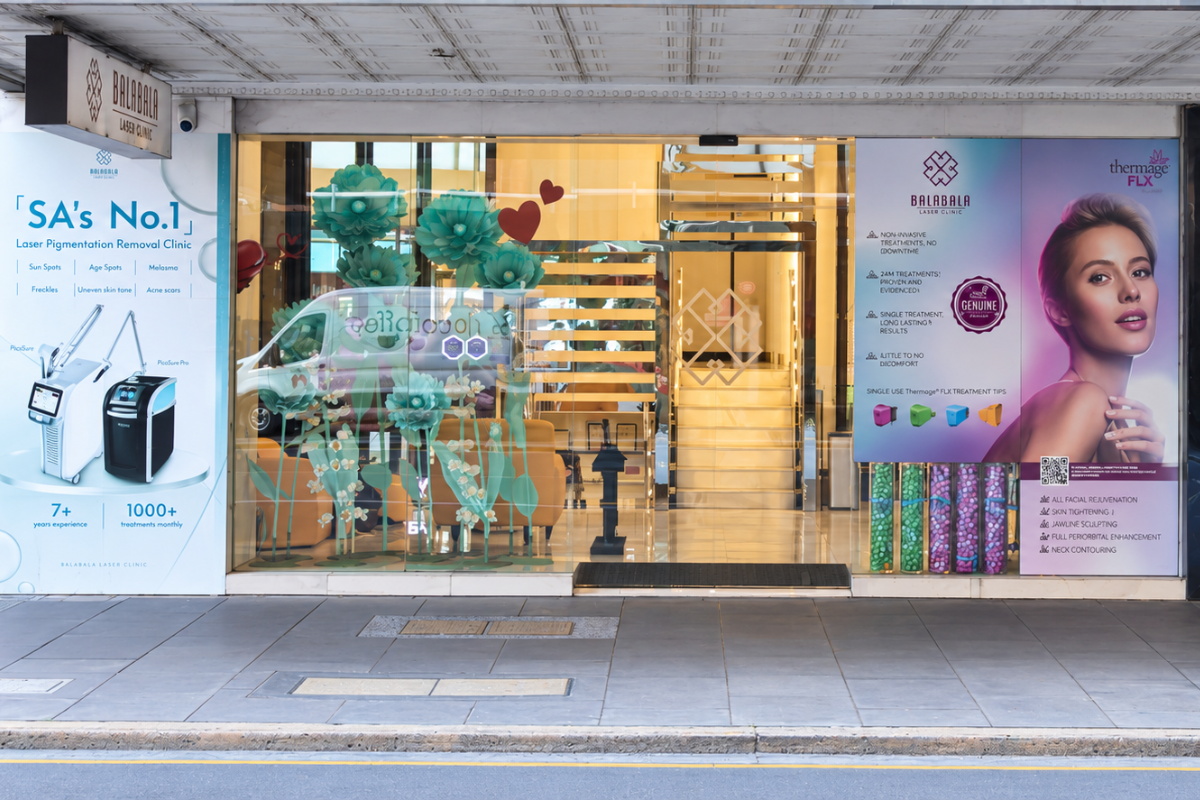
BalaBala, which celebrates its 10th anniversary in Adelaide this year, takes a personalised approach to working through those questions.
Its CBD clinic brings a range of anti-ageing and pigmentation technologies together in one place, allowing treatment options to be considered according to the concern, rather than trying to squeeze every client into the same treatment plan.
And if budget is part of the equation – as it is for most of us – that’s part of the conversation too.
You might start with the thing that bothers you most, rather than trying to fix everything at once.
Because perhaps the future of skin treatments isn’t about looking 10 years younger, chasing perfection or collecting increasingly complicated treatment names.
Maybe it’s simply about understanding your own skin a little better, knowing what your options are and making choices that actually make sense for you.
If that sounds more useful than another late-night Google spiral, BalaBala offers free skin consultations at its Adelaide CBD clinic.
Want to see more stories from InDaily SA in your Google search results?
- Click here to set InDaily SA as a preferred source.
- Tick the box next to "InDaily SA". That's it.