Fake news, opening the Mall, Dunstan’s mark on SA a century on
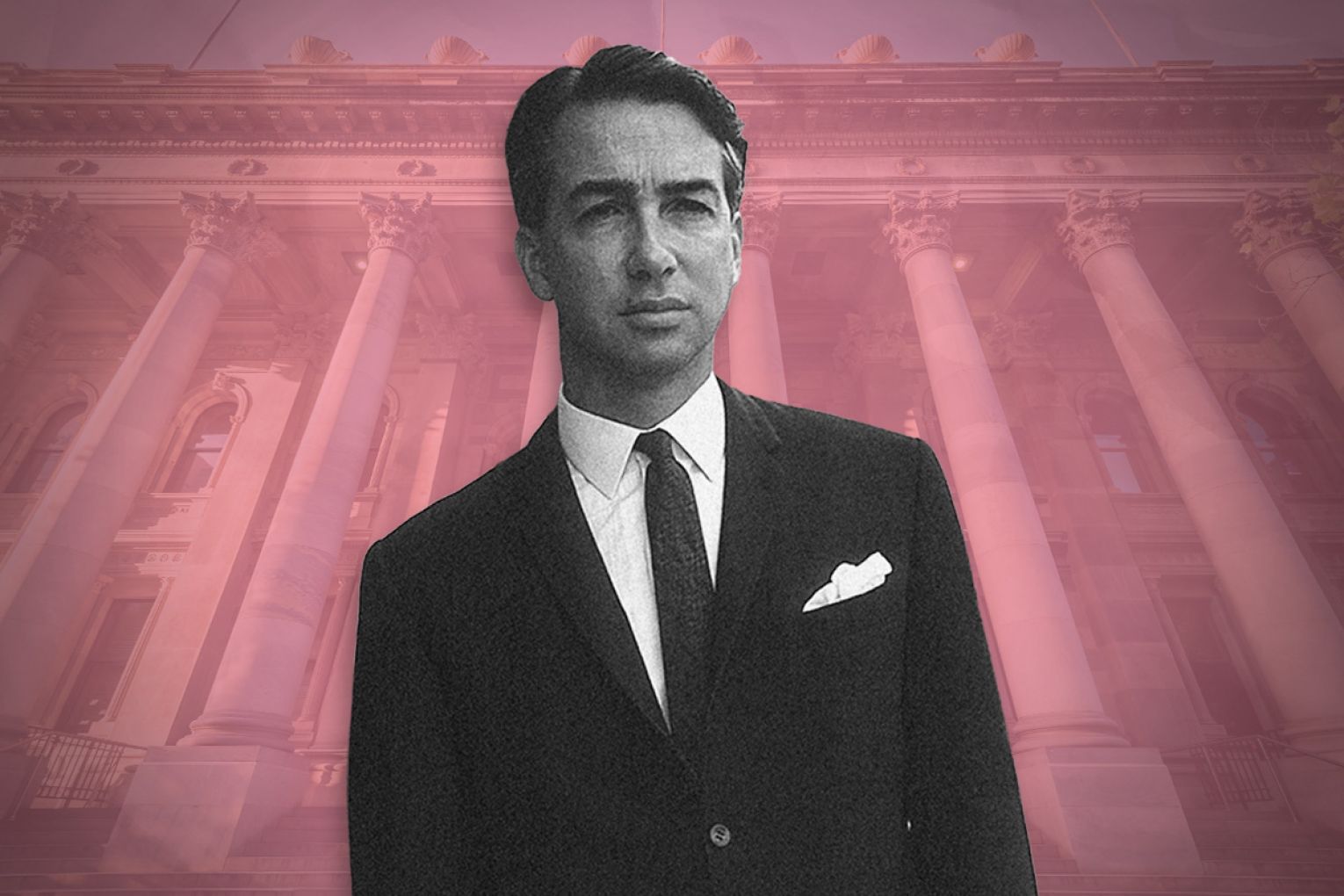
Former SA Premier Don Dunstan would have turned 100 today. David Washington reflects on his enduring legacy and how he once stared down a tsunami bearing down on Adelaide.
Adelaide’s media landscape is barely recognisable today compared to the wide vistas that existed 50 years ago.
One thing remains though — January remains the silly season.
In January 1976, the media was catching its breath from a particularly frenetic end to the news year. In November, the Whitlam Government had been sensationally dismissed by Governor-General John Kerr.
The national political crisis overshadowed a landmark year in South Australian politics. In July 1975, Don Dustan’s government was re-elected, with universal suffrage expressed in the Legislative Council for the first time in our history.
One of the most famous pieces of legislation was soon introduced and passed — a private members’ Bill to decriminalise homosexuality. It made South Australia the first jurisdiction in Australia to do so.
In January 1976, though, the media had more apocalyptic matters in its mind.
The silly season hiatus from serious news had somehow left enough space for the prophesies of a house painter called John Nash to capture media attention, not only in Adelaide but across the nation and the world.
You might like
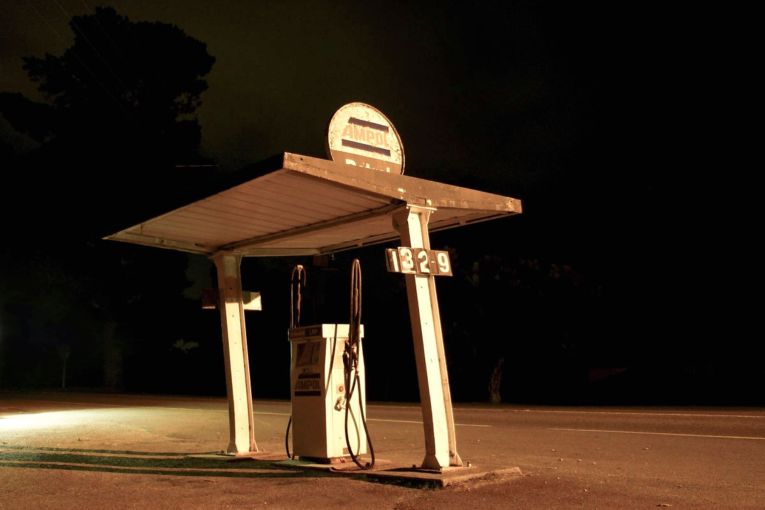
It’s still a mystery to me how this happened, given the outlandish nature of Nash’s predictions.
Disturbed by the passage of the decriminalisation legislation and other progressive ‘iniquities’, he had been plagued by a vision that Adelaide would be wiped out by an earthquake and ensuing tidal wave between 10.30am and noon on January 19, 1976.
Don Dunstan, who had absorbed a thorough classical education, decided to play King Canute and hold back the tides at Glenelg should they come.
There were reports that people had been genuinely spooked by the thought of a tsunami engulfing Adelaide’s flat plain, but there was also fun to be had, with office workers dressing in beachwear, some reportedly carrying snorkels and surfboards.
Don himself appeared on the balcony of the Pier Hotel (on the site of the current Stamford Grand Adelaide Hotel) at the appointed time, waving and smiling at the good-natured crowds below, and wearing his usual safari suit.
I have memories as a child of watching the evening news, with a TV news journalist making his way to Mount Lofty, where people waited for disaster with dinghies and inflatable devices on hand, just in case.
John Nash, who moved his family out of SA before the date of the impending disaster, allegedly later lost his home interstate in a flood, but I’m not sure that was ever substantiated.
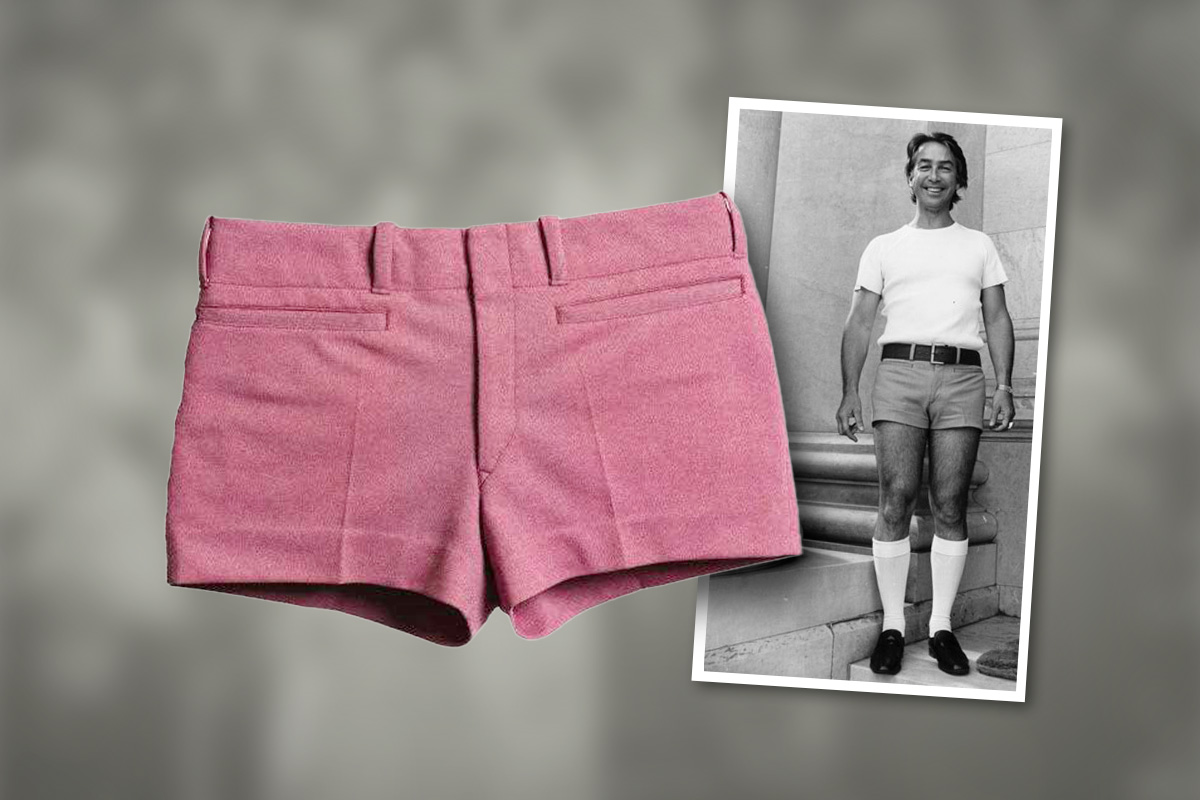
As for Don, it seems odd that he is remembered by some people primarily for this King Canute moment and one other — when he was photographed at Parliament House wearing pink shorts.
Subscribe for updates
While Don was a colourful individual, a celebrator of eccentricity, a performer who could recite Cicero in Latin, play Chopin, sing and dance; a talented cook who published a celebrated cookbook while in office; he was also — unarguably — one of Australia’s greatest political and social reformers.
It was part of the magic of the Dunstan decade that Don combined personal flair — driven by a firm belief that people should be free to “do their own thing” — with political leadership of the sort rarely seen anywhere in the world, let alone in Adelaide.
A short list of his achievements doesn’t do justice to the breadth of his reforms: Australia’s first Aboriginal land rights legislation; the first anti-discrimination Act; co-founding Meals on Wheels; our first environment agency and heritage protection laws; consumer protection laws; huge investment in arts and culture. In addition, he was one of the first champions of multiculturalism and a key figure in the Labor Party dropping its White Australia policy.
This month — on September 21 — he would have turned 100.
In 1976, his 50th year, he did many more notable things than scoff at John Nash’s prophesies.
He opened Rundle Mall — a long-wished-for project that the Dunstan Government eventually pulled off, despite trenchant opposition — thus transforming the heart of Adelaide forever. Another Adelaide landmark celebrating its 50 years. The project was copied by most Australian capital cities.
In December 1976, he appointed Sir Douglas Nicholls as Governor of South Australia — the first, and still the only, First Nations person to hold such a position in Australia.
So, yes, Don had some fun in public life, challenging stuffy conservatism — but he also transformed us in ways that remain relevant today.
David Washington is Executive Director of The Don Dunstan Foundation.
To mark Premier Don Dunstan’s 100th birthday today, there is a private celebration at Parliament’s House of Assembly chamber—the room where Dunstan’s government introduced Australia’s first anti-discrimination laws. It will be livestreamed on the Don Dunstan Foundation’s Facebook page from 10am until 12pm on Monday, September 21.
This article first appeared in CityMag‘s Golden Edition, which is free and available at city bars, cafes or at our newsstand out the front of 165 Grenfell Street, Adelaide.
Want to see more stories from InDaily SA in your Google search results?
- Click here to set InDaily SA as a preferred source.
- Tick the box next to "InDaily SA". That's it.