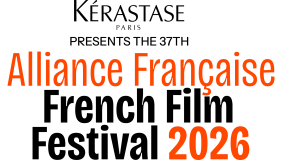
If there’s one thing the French do exceptionally well – besides pastries, philosophy and saying non with flair – it’s cinema. And this year the Alliance Française French Film Festival is bringing some of the very best of it to Adelaide – including a lineup packed with winners from the glittering César Awards.
Often described as France’s equivalent of the Oscars, the Césars celebrate the finest achievements in French filmmaking each year. The 51st ceremony – held on February 26 at the legendary Olympia Hall in Paris – honoured standout performances, emerging talent and stunning cinematic craft.
For Australian audiences, the French Film Festival offers a rare chance to see many of these award-winning films on the big screen.
“It is always very special for the festival to present films connected to the César Awards, which are France’s equivalent of the Oscars and the most prestigious recognition in French cinema,” Alliance Française in Adelaide executive director Anne-Lise Heynen-Giri says.
“Showcasing films from the 51st ceremony allows Australian audiences to see some of the most celebrated and critically acclaimed productions of the year.”
Running nationally for almost four decades and presented by the network of Alliance Française in partnership with Palace Cinemas, the festival has become the largest celebration of French cinema outside France.
Each year it delivers around 35–40 films spanning comedy, drama, thrillers, documentaries and animation – often premiering in Australia months before wider release.
But this year, mon dieu, the César-winning titles alone are reason enough to book a ticket.
Below are some of the prize-winning standouts heading for Adelaide screens.
The Stranger/L’Étranger
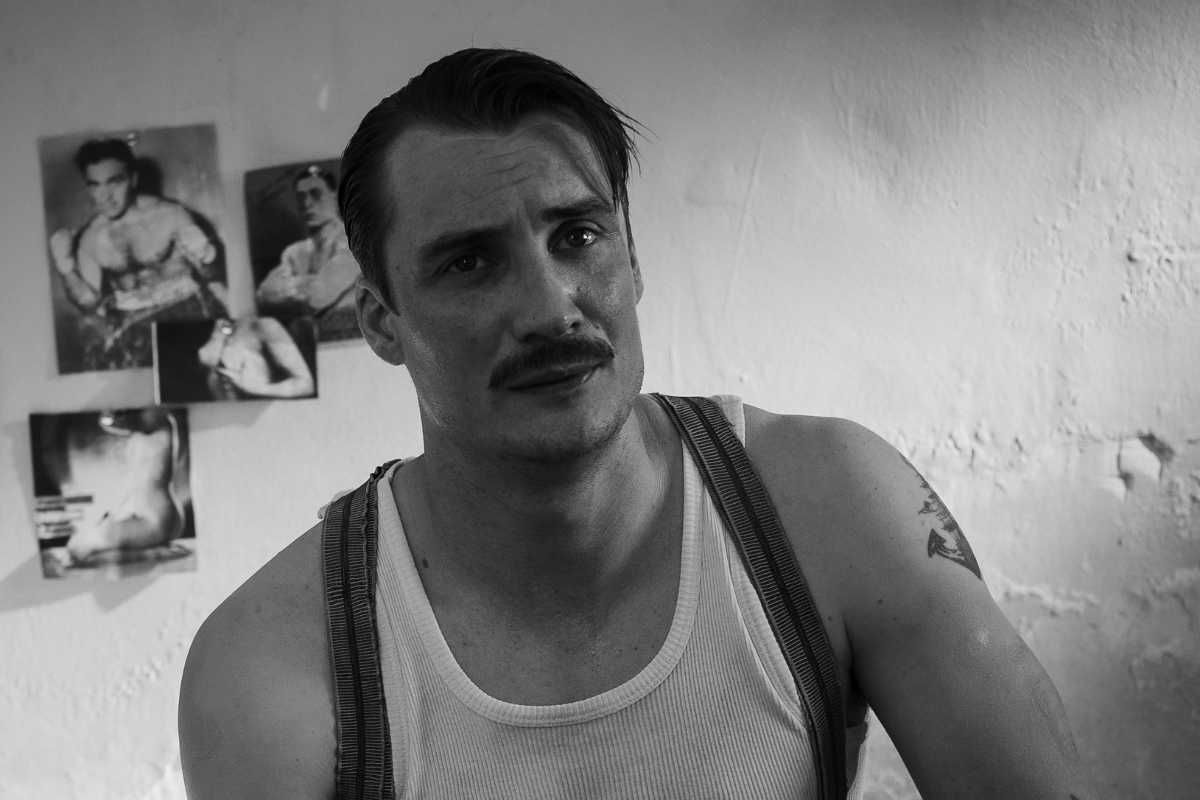
Inspired by the classic existential landmark novella by Albert Camus about a detached young expatriate on trial for murder in 1930s French-colonised Algeria, The Stranger brings one of literature’s most famous antiheroes to the screen.
The film also delivered a major moment at the 51st Césars, where Pierre Lottin won Best Supporting Actor for his performance.
With its philosophical edge and striking visuals, the adaptation captures the unsettling mood of Camus’ story while giving audiences a fresh cinematic take on the literary classic.
For festival-goers who like their cinema a little more existential, this one is essential viewing.
Case 137/Dossier 137
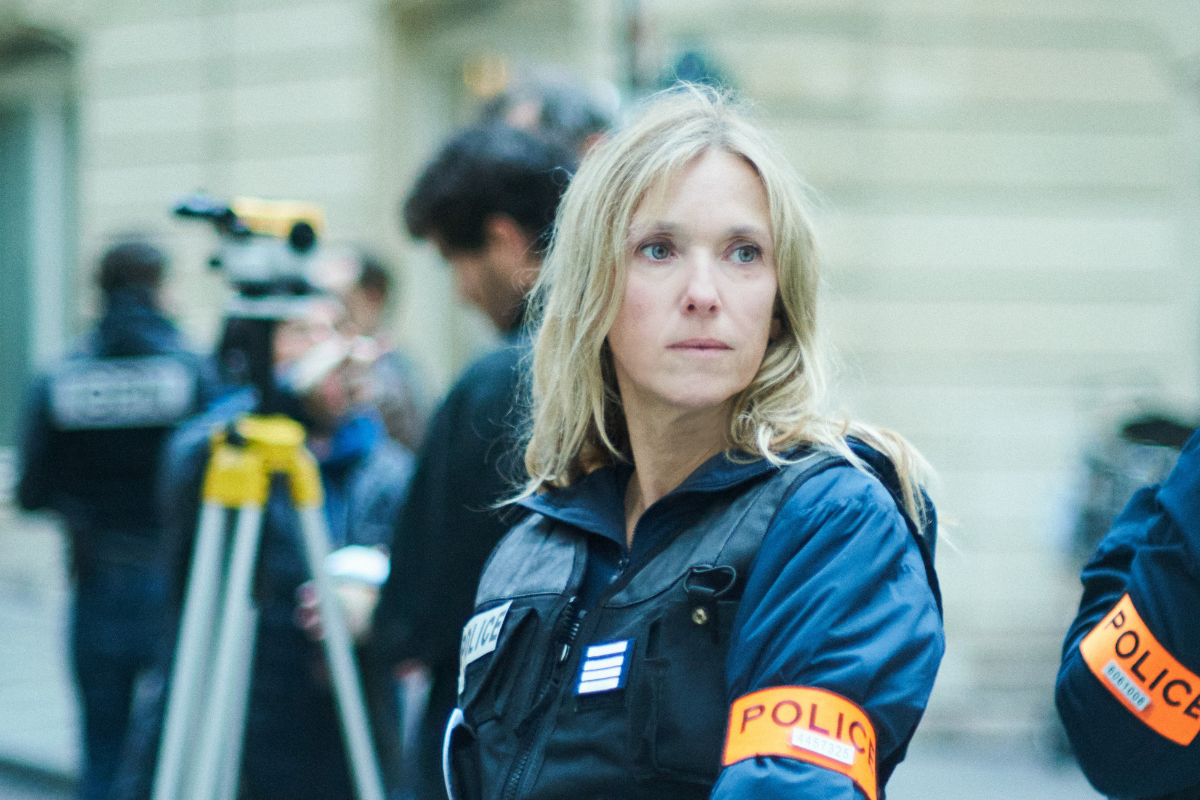
Powerful drama Case 137 earned one of the night’s biggest honours when Léa Drucker took home the Best Actress César.
Drucker – known for her ability to portray complex, emotionally layered characters – delivers a performance based around police corruption in Paris that critics have described as gripping and deeply human.
Heynen-Giri says showcasing award-winning performances like this is one of the joys of the festival. “It means viewers can experience the performances and storytelling that have just been recognised by the French film industry,” she says.
The Richest Woman in the World/La Femme la Plus Riche du Monde
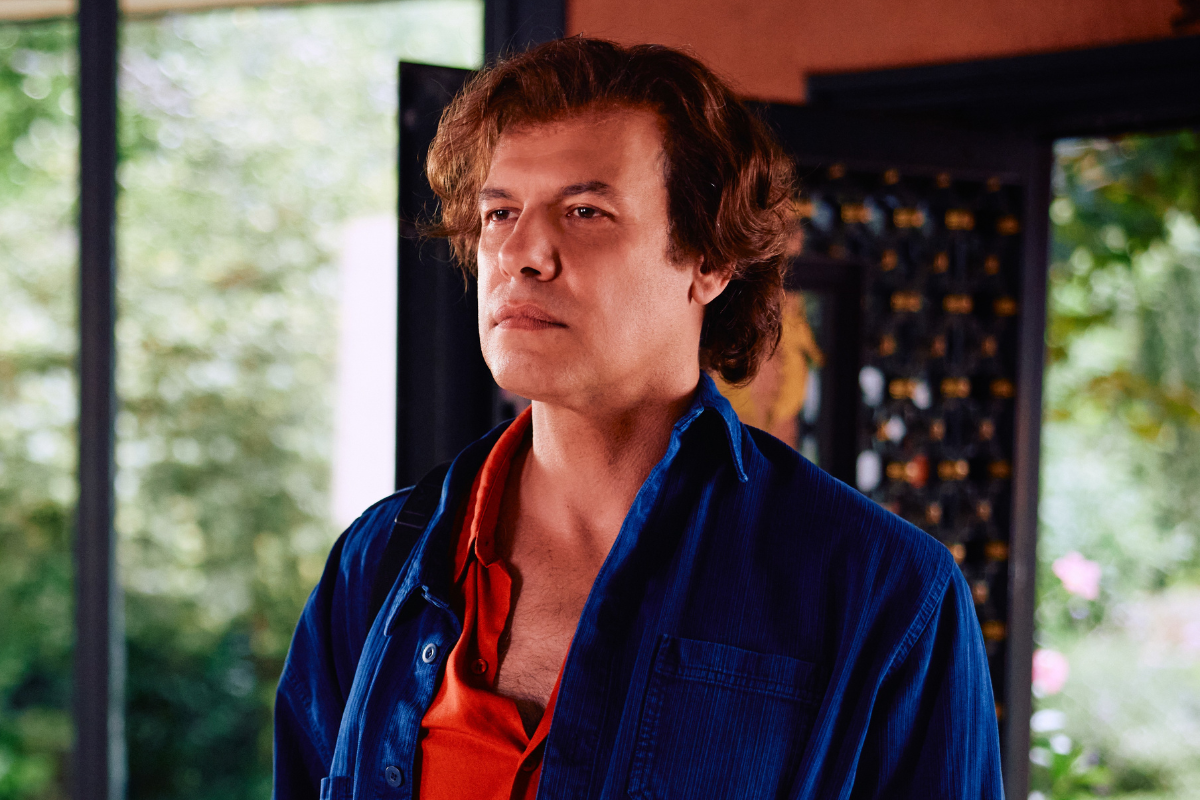
Star power meets razor-sharp storytelling in The Richest Woman in the World, based around the astonishing events surrounding Liliane Bettencourt, the billionaire heiress to the L’Oréal fortune and doyenne of Parisian society, which earned Laurent Lafitte the Best Actor César.
Lafitte is a familiar face to French cinema fans, and his performance here shows exactly why – balancing charm, drama and intensity in a role that captivated César voters.
For audiences, it’s the kind of commanding performance that reminds you why cinema is best experienced on the big screen.
The Little Sister/La Petite Dernière
Fresh talent also took centre stage at the awards.
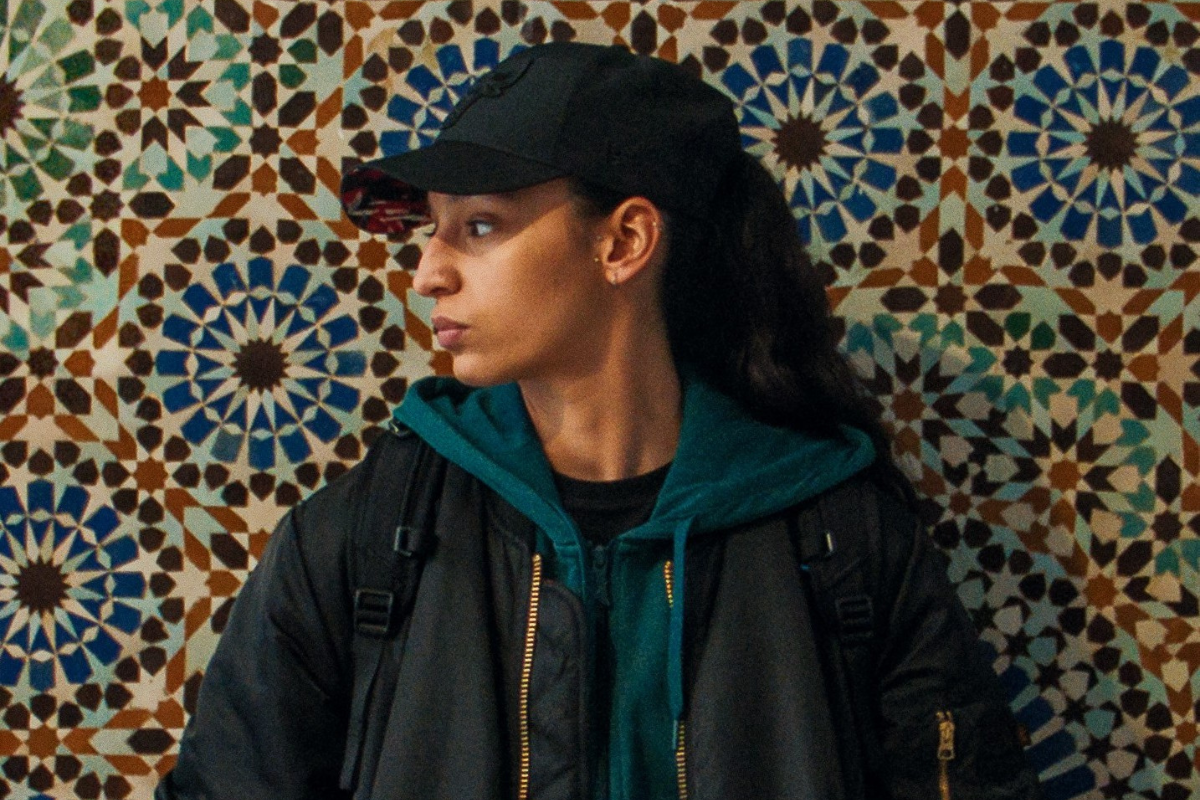
Rising star Nadia Melliti was named Most Promising Actress for her role in The Little Sister, marking her as one of the most exciting new voices in French film.
The coming-of-age drama explores family, identity and personal growth – themes that resonate far beyond France.
Spotting future stars early is part of the thrill of the festival experience.
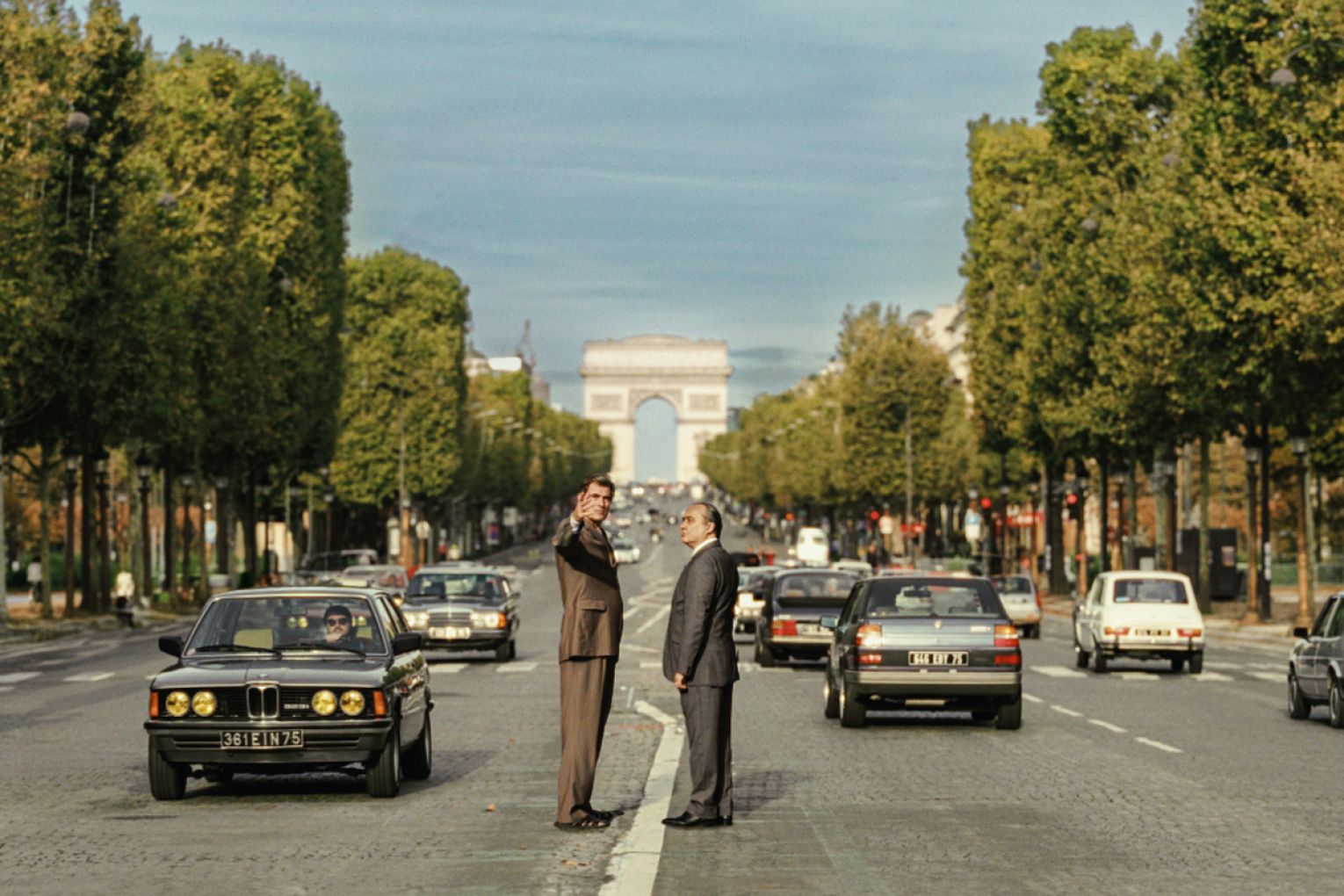
The Great Arch/L’inconnu de la Grande Arche
Not every César goes to actors – some celebrate the artistry behind the camera.
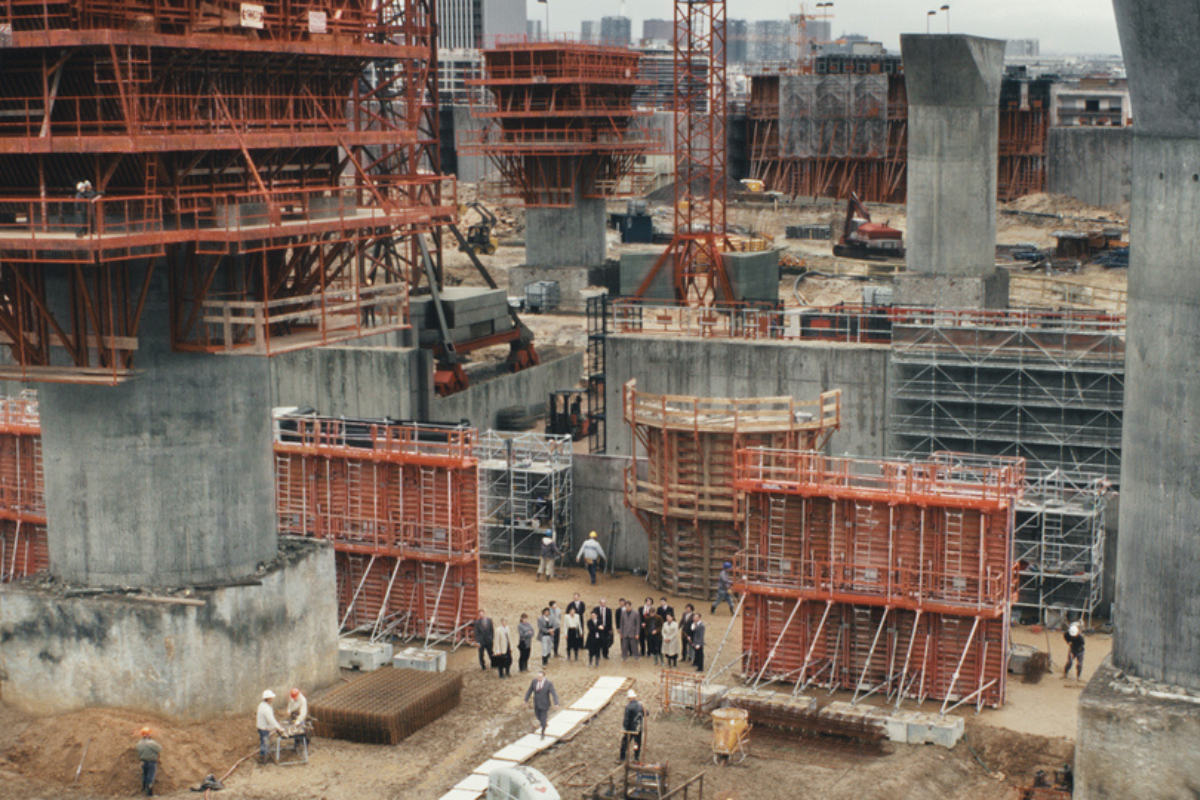
Spectacular historical drama The Great Arch picked up two technical awards: Best Visual Effects for Lise Fischer and Best Production Design for Catherine Cosme. The film follows an idealistic architect whose quest to build an ambitious landmark in Paris triggers unforeseen consequences.
The result is a visually ambitious film that demonstrates the extraordinary craftsmanship that goes into modern French filmmaking.
From intricate set design to seamless effects, it’s the kind of cinematic spectacle that rewards seeing it in a theatre rather than on a laptop.
A cinematic trip to France
Of course, the magic of the French Film Festival goes beyond individual titles.
The program also includes comedies, romances, thrillers and special screenings, alongside themed events like CinéWine evenings pairing films with French wine – because bien sûr, everything is better with a glass of Bordeaux.
And, as Heynen-Giri points out, audiences often discover their favourite film by accident.
“Part of the joy of the festival is that audiences often come for one film they know and leave having discovered several others they didn’t expect to love,” she says.
“The festival is really about sharing culture and bringing people together.”
Which means that for a few weeks in Adelaide, you can travel from Parisian drama to Mediterranean romance to philosophical mystery – all without leaving your cinema seat.
Pas mal, Adelaide – not bad at all.