The lights are back on at Tandanya
Tandanya has stood unloved for more than two years. This Fringe season, Gluttony will breathe fresh life into the National Aboriginal Cultural Institute with an Indigenous-focused program of comedians, musicians and theatre.
The former Electrical Lighting Station building on the corner of Grenfell Street and East Terrace is steeped in history.
Its red brick walls, which date back to 1901, tell stories of a settlement’s electrification and maturation.
For the past three decades, the site has been better known as Tandanya. Gifted by the state government in 1989, it has since housed Aboriginal culture and art as a national facility to celebrate both ancient and modern Indigenous history.
But in mid-2023, Tandanya – named after the Kaurna word for ‘red kangaroo place’ – abruptly closed. The building was worn down and required significant renovations and structural refurbishment.
There were issues “of a magnitude unusual for an organisation of its size”, one annual report read, which cited the expense and complexity of maintaining the Grenfell Street site as one reason behind its prolonged closure.
Assisted by $780,000 of state government funding, repairs to the institute kicked off. New air-conditioning units and sprinkler heads were installed, internal walls were fixed to address deterioration, electrical work completed, multiple rooms repainted and carpets replaced.
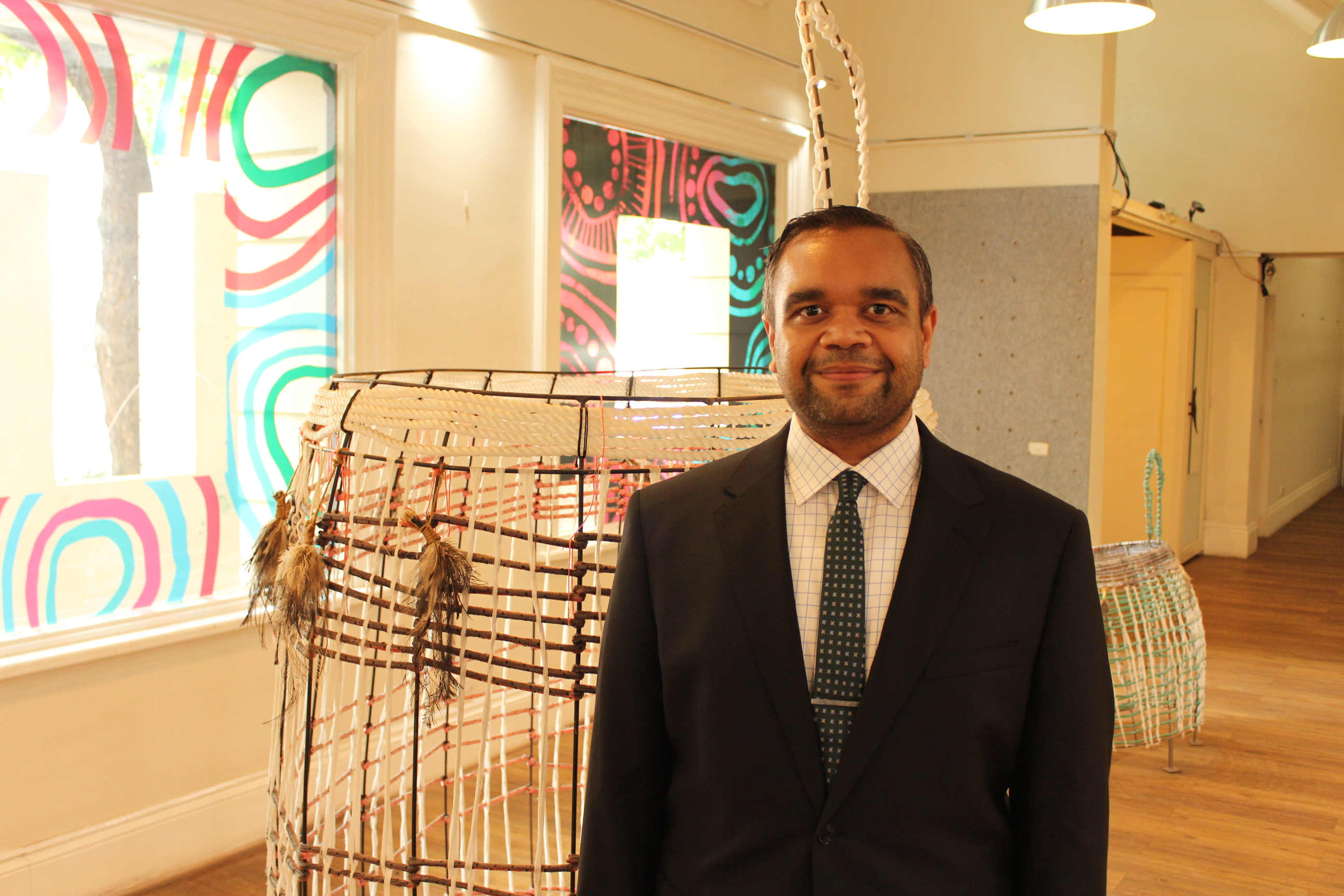
Now, with works mostly completed, the site is set to reopen with a bang. New Tandanya CEO Brenz Saunders has partnered with Fringe hub Gluttony to relaunch the old power station as a performance venue during February and March.
Its lineup includes more than 50 per cent Indigenous acts, including Blak Country, a band curated by Barkindji songwoman Nancy Bates featuring First Nations voices from across generations, as well as acclaimed singer-songwriters Toni Janke and Sonia Smith.
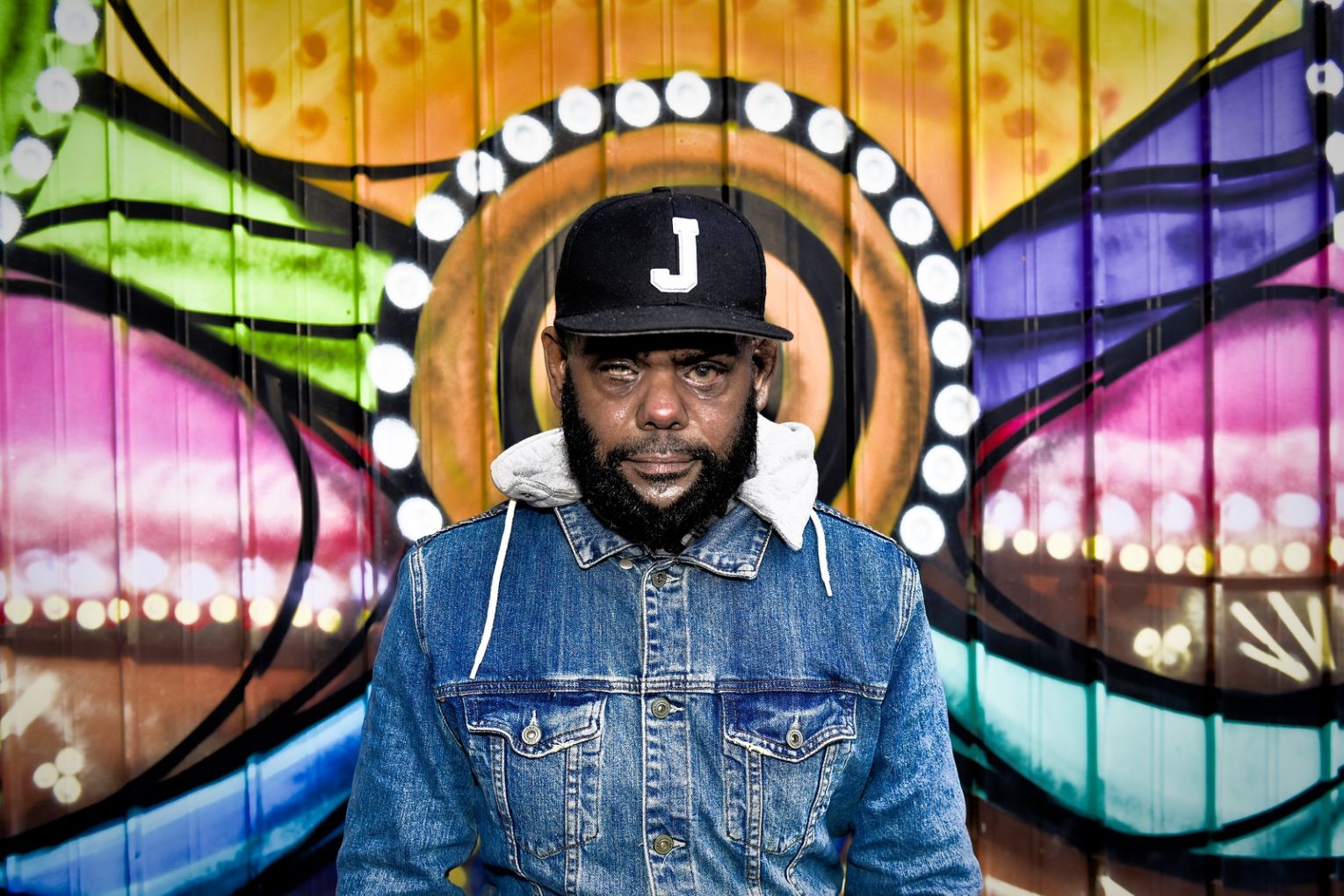
A highlight will be South Australian comedian Joshua Warrior, who is in two shows at Tandanya during Fringe: a solo show and another alongside Marc Ryan, aka The Beautiful Bogan, in a two-for-one stand-up gig called The Blind and The Beautiful.
Warrior – a blind Aboriginal comic from Mallala – says he was excited to feel Tandanya “come back to life”.
You might like
“Being Aboriginal and having something to do with Tandanya over the years, having all the lights turned back on, that’s important to me,” he says.
“The Aboriginal community here in Tandanya is important, because it’s always a place for us to go to, because we know we can come there and feel welcomed.
“I hope the community really come out and support it and come to all these shows.”
Warrior, who says he was always the “class clown” at school, says he learned to be a comedian as a “defence mechanism” as the “only black kid out there”.
“It takes the power away from the bully,” he says.
“I noticed I took the piss out of myself much better than what they could.”
The 40-year-old has been completely blind for almost four years after complications from a detached retina. It sent him into a “really dark place”, but he’s found that comedy helps with depression.
“I’ve lost all of my releases, which used to be sports and the gym,” he says.
“If people are in front of me laughing, I’m getting all of that energy.”
For the non-Kaurna speakers, the name of his show – Black, Blind and Boodli – is pretty cheeky.
“Boodli actually means excited or aroused. It’s kind of like: black, blind and horny,” he says.
“That’s what I’ll be saying in the show too: ‘Are you feeling a little bit boodli?’.”
The last time Warrior performed at Tandanya was before he was fully blind. His return to the venue means even more to the comic; now he’s on the other side.
“Just before I went blind, I actually went for a massive walk. I was sick of life, and I went and walked from Salisbury to Semaphore and just slept on the jetty by myself. I came back home and realised there was a missing person’s report on me,” he says.
His life has changed significantly as a result. He can’t drive anymore, “which is good because of petrol prices…”.
“There are perks. When I was at the Entertainment Centre, they gave me better seating at a concert, and I was like, ‘Why?’. I don’t have to see what’s going on,” he says.
Subscribe for updates
“The cane, too, has power. It’s like I’m Moses. Whenever I go through a crowd, I start tapping the cane louder. That’s not for me to detect where I’m going; that’s me telling them to get out of the way and have some manners.”
Gluttony co-director Elena Kirschbaum says Tandanya was a “really meaningful space”.
“It means a lot to us to have been invited to come into that space and contribute to it,” she says.
“It’s an incredible location, so close to our Gluttony site, so it’s a much easier way for us to service a venue that is not within the park.”
Gluttony’s programming team worked with the First Nations community and artists to pull the program together. Across the lineup, First Nations performers are involved in more than half of the shows.
“It wasn’t a requirement of Tandanya, but for us, that was a really important part of it and also a really exciting part of it,” Kirschbaum says.
“There’s a real sort of incentive for us to be involved to be able to foster more relationships with the First Nations’ arts community, who don’t always necessarily feel that they can easily engage with the Fringe.
“I hope that by having an organisation like Gluttony that has so much experience delivering Fringe-style entertainment, combined with working in a space that is known and trusted by First Nations artists, it’s a really great opportunity to bring more First Nations artists into the festival.”
Kirschbaum highlighted Nancy Bates’ opening weekend performance as a highlight, as well as Aboriginal Comedy All Stars.
“I’m really excited about them because, ironically, I saw that show in Edinburgh, which is crazy,” she says.
“It seems to be so often the case that I’m so busy during festivals in Australia that I don’t see things, then I fly to the other side of the world to see amazing Australian works.”
For Tandanya CEO Brenz Saunders, hosting Gluttony is the beginning of the cultural institute’s “new era”.
“Some people have probably forgotten what it looks like,” he says. “I’m excited to take that step and reactivate that memory.
“This is the start of Tandanya’s new era, a new way of doing things. We’re really excited to hit the ground running for 2026 and I’m a bit nervous in my own right given this public decision to reopen the doors in the new role.”
Saunders, who was appointed as the new CEO at the end of 2025, has been busy cleaning up the huge building and readying the theatre for Gluttony guests over the past few months.
This has included reviewing and upgrading the rigging system and redoing some flooring in the Tandanya theatre.
“We’ve given it a real fresh breath of air,” he says.
“We’ve got everything working perfectly to have people in the space. Our seats are operational, the air-conditioning is spic and span, so it’ll be a cool environment for Fringe and Gluttony patrons to come in and watch some incredible shows.”
The First Nations-led programming was important for Saunders, who says he wanted to give the community opportunities to perform to the masses and put their talent on display.
“That’s big for them, but also a success for us to see them in that spotlight,” he says.
“I can’t wait to see hopefully hundreds of people walk through our doors on a weekly basis.”
This story first appeared in CityMag #49 – Festivals 2026
Want to see more stories from InDaily SA in your Google search results?
- Click here to set InDaily SA as a preferred source.
- Tick the box next to "InDaily SA". That's it.